For other uses, see iPhone (disambiguation).
iPhone
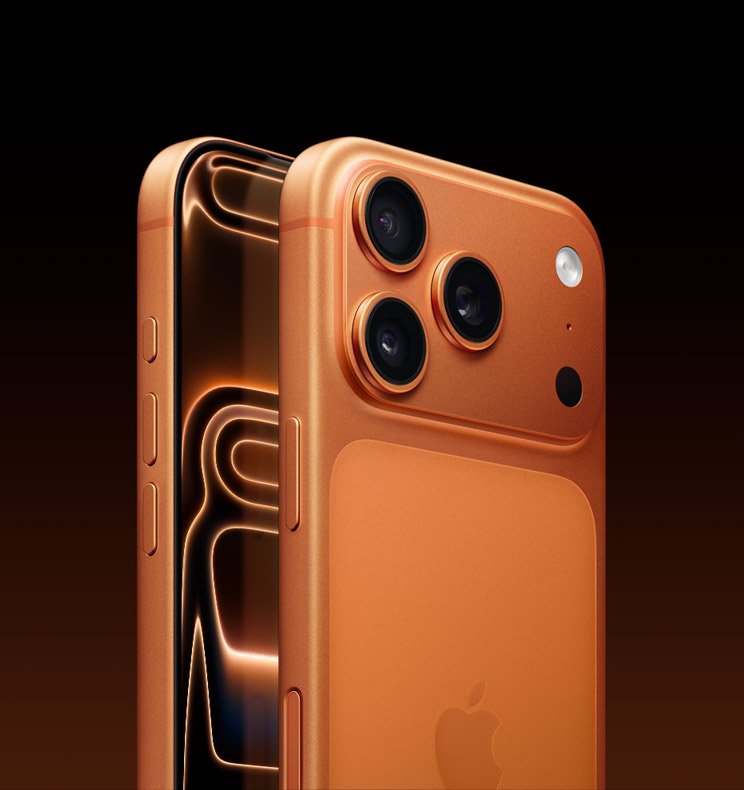
Front face of the latest flagship model, the iPhone 17 Pro, in Cosmic Orange
Developer Apple
Manufacturer Contract manufacturers:
FoxconnPegatronWistronTata Group
Type Smartphone
Released June 29, 2007; 18 years ago
Units sold >3 billion (as of July 2025)
Operating system iOS
Storage 128, 256, 512 GB, 1 or 2 TB[note 1] flash memory (current models)
Sound
BluetoothStereo speaker (iPhone 7 and up)Microphone3.5 mm headphone jack (until iPhone 7)30-pin dock connector (until iPhone 5)Lightning port (iPhone 5 – iPhone 14)USB-C port (iPhone 15 and up)
Power Built-in rechargeable lithium-ion battery
Online services
App StoreApple OneiCloudApple Pay
Related
iPadComparison of iPhone models
Website apple.com/iphone
This article is part of a series on the
iPhone
1st generation3G3GS
44s
55c5s
6 / 6 Plus6s / 6s Plus
7 / 7 Plus8 / 8 Plus
XXRXS / XS Max
1111 Pro / 11 Pro Max
12 / 12 Mini12 Pro / 12 Pro Max
13 / 13 Mini13 Pro / 13 Pro Max
14 / 14 Plus14 Pro / 14 Pro Max
15 / 15 Plus15 Pro / 15 Pro Max
16 / 16 Plus16 Pro / 16 Pro Max16e
1717 Pro / 17 Pro Max17e
Air
SE 1st2nd3rd
List of iPhone models
telephone icon Telephones portal
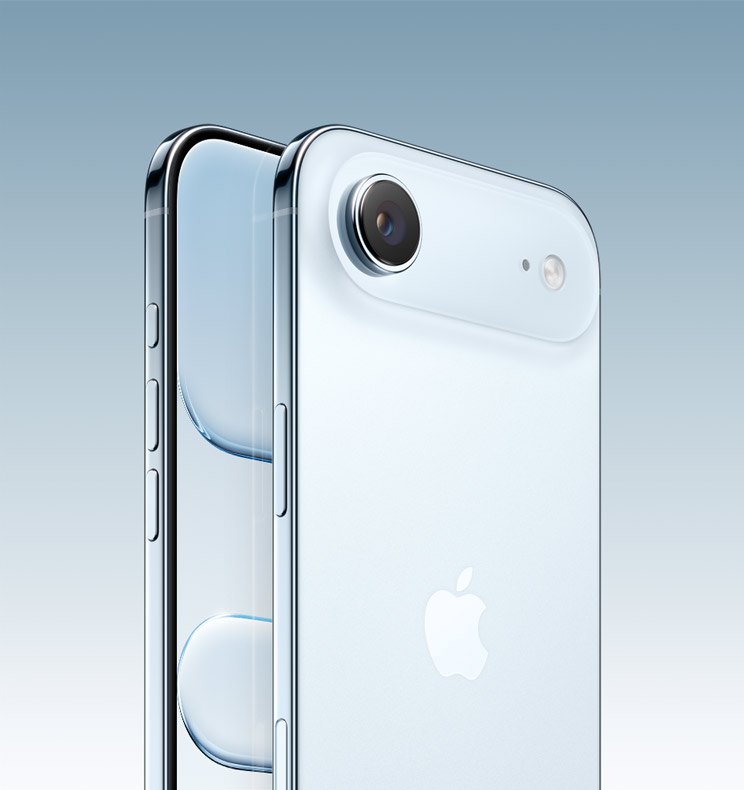
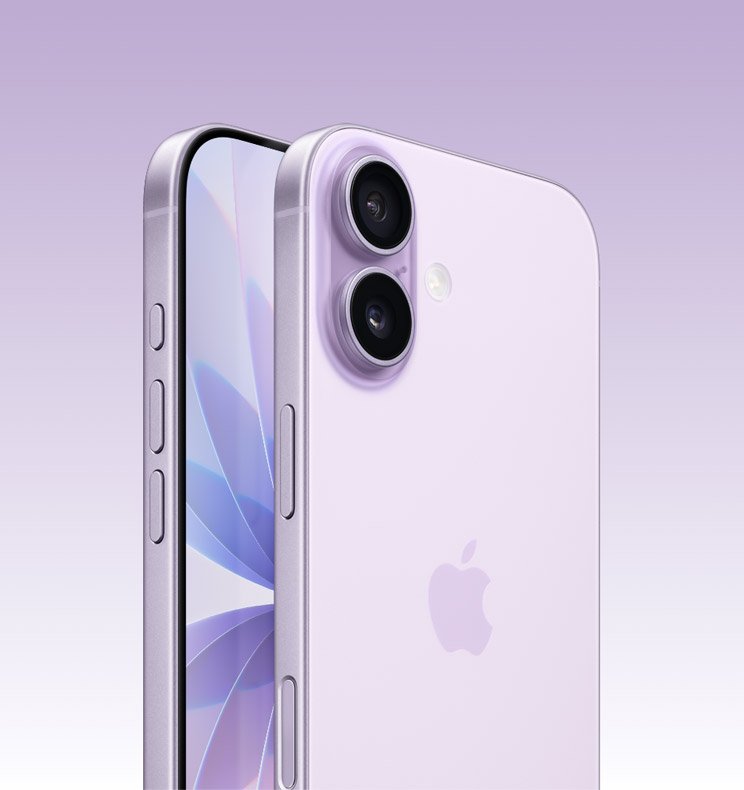
The iPhone is a line of smartphones developed and marketed by Apple that run iOS, the company’s own mobile operating system. The first-generation iPhone was announced by then–Apple CEO and co-founder Steve Jobs on January 9, 2007, at Macworld 2007, and launched later that year. Since then, Apple has annually released new iPhone models and iOS versions; the latest models being the iPhone 17, the higher-end iPhone 17 Pro and 17 Pro Max, the thinner iPhone Air, and the entry-level iPhone 17e. As of July 2025, more than 3 billion iPhones have been sold. Apple has been the largest vendor of mobile phones since 2023.
The original iPhone was the first mobile phone to use multi-touch technology. Throughout its history, the iPhone has gained larger, higher-resolution displays, video-recording functionality, waterproofing, and many accessibility features. Up to the iPhone 8 and 8 Plus, iPhones had a single button on the front panel, with the iPhone 5s and later integrating a Touch ID fingerprint sensor. Since the iPhone X,[note 2] models have switched to a nearly bezel-less front screen design with Face ID facial recognition in place of Touch ID for authentication, and increased use of gestures in place of the home button for navigation.
The iPhone, which operates using Apple’s proprietary iOS software, is one of the two major smartphone platforms in the world, alongside Android. The first-generation iPhone was described by Steve Jobs as a “revolution” for the mobile phone industry. The iPhone has been credited with popularizing the slate smartphone form factor, and with creating a large market for smartphone apps, or “app economy”; laying the foundation for the boom of the market for mobile devices. In addition to the apps that come pre-installed on iOS, there are nearly 2 million apps available for download from Apple’s mobile distribution marketplace, the App Store, as of August 2024.
The iPhone 12, 12 Mini, 12 Pro, and 12 Pro Max were announced via a livestream event on October 13, 2020. All models featured OLED “Super Retina XDR” displays, introduced faster 5G connectivity, and the MagSafe magnetic charging and accessory system; a slimmer flat-edged design was also introduced, which combined with stronger glass-ceramic front glass, added better drop protection compared to previous iPhones.[48][49] The iPhone 12 Mini introduced a smaller 5.4-inch screen, while the 12 Pro and 12 Pro Max had larger screens of 6.1-inch and 6.7-inch respectively. The iPhone 12 Pro and 12 Pro Max additionally added a Lidar sensor for better accuracy in augumented reality (AR) applications.
The iPhone 13, 13 Mini, 13 Pro, and 13 Pro Max were announced via a livestream event on September 14, 2021. All models featured larger camera sensors, larger batteries for longer battery life, and a narrower “notch” screen cutout.[50] The iPhone 13 Pro and 13 Pro Max additionally introduced smoother adaptive 120 Hz refresh rate “ProMotion” technology in its OLED display, and three-times optical zoom in the telephoto lens.[51] The low-cost third-generation iPhone SE was introduced on March 8, 2022, and incorporated the A15 Bionic chip from the iPhone 13, but otherwise retained similar hardware to the second-generation iPhone SE.
Leave a Reply